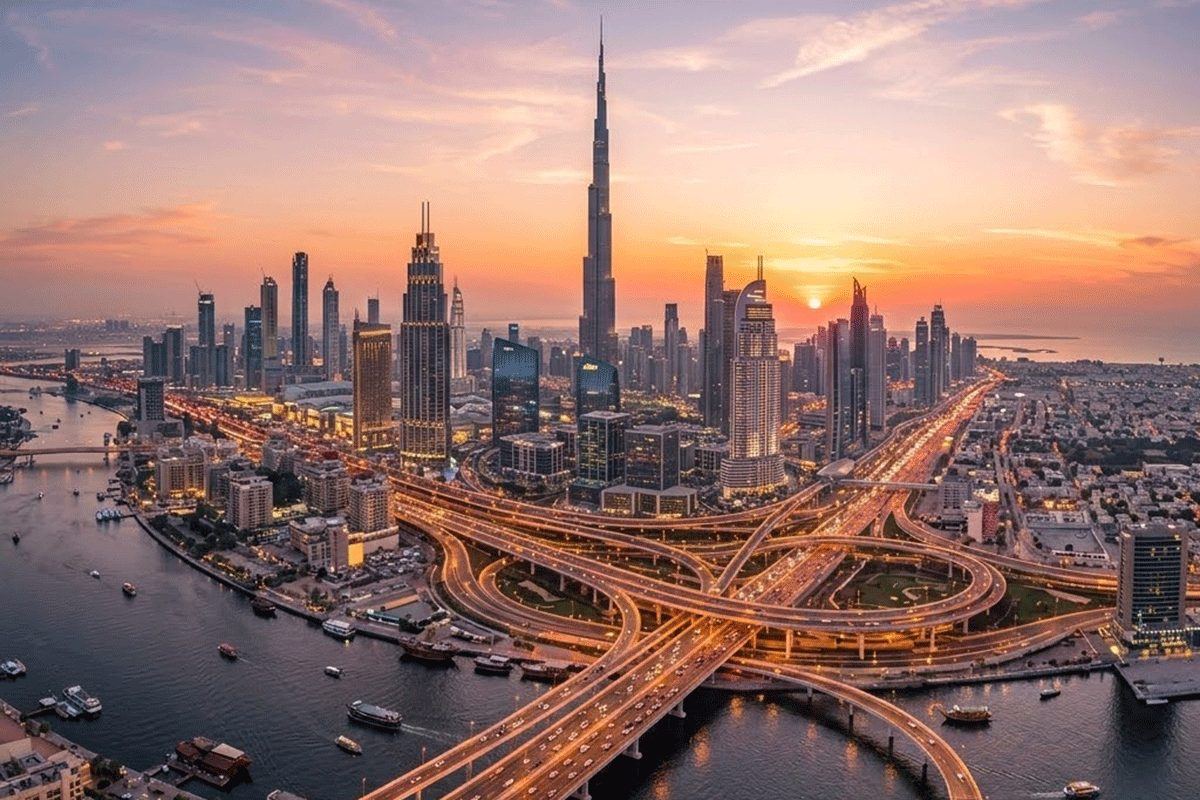
Dubai’s real GDP reached AED473 billion ($128.8 billion) in the first half of 2026, with growth in financial services, healthcare, technology and construction. However, the economy recorded a 2.3% decline compared with the same period in 2025.
Financial services grew by 8.8%, while healthcare expanded by 14.3%, making them two of the fastest-growing sectors. Construction increased by 2.4%, and information and communication grew by 2.7%.
Wholesale and retail trade remained Dubai’s largest economic sector, accounting for 20.5% of real GDP, followed by financial services at 14% and real estate at 11.8%. However, trade, transport and real estate recorded declines in real terms.
Dubai continues to focus on investment, digital transformation and emerging industries under its D33 economic agenda to strengthen its competitiveness and support long-term growth.
02
Dubai plans new underground transport network
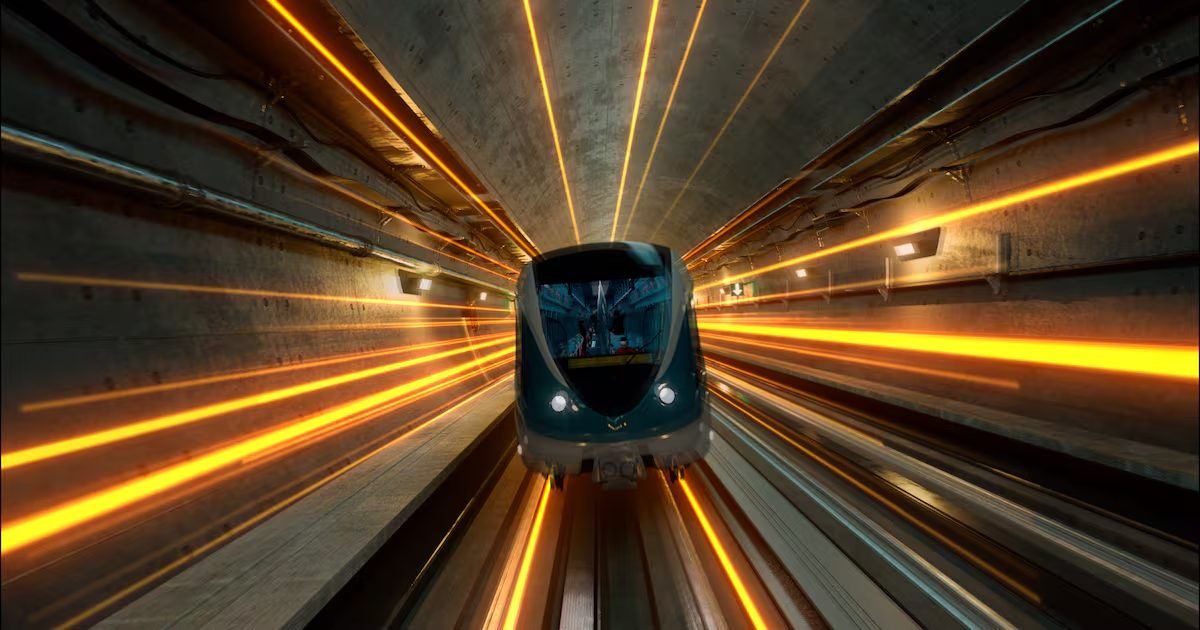
Dubai is exploring plans for an integrated underground transport network as part of its wider efforts to improve mobility, reduce traffic congestion and support the city’s growing population.
RTA Director General Mattar Al Tayer said a team is studying the proposed network, which could move people, goods and services underground. The vision forms part of Dubai’s plans to develop transport across three levels: roads, the sky and underground, creating more efficient and sustainable ways to travel.
Dubai records more than 11 million road journeys every day, while the number of people moving around the city is expected to double by 2040. The RTA also aims to make one in every four journeys autonomous by 2030, alongside plans to introduce air taxis and expand driverless transport.
The proposal follows progress on the Dubai Loop, an underground transport project being developed in partnership with Elon Musk’s Boring Company. The first phase is planned to connect DIFC with Dubai Mall, with the full network expected to cover 22km and include 19 stations.
These plans reflect Dubai’s continued investment in transport infrastructure and new technologies to improve connectivity, support economic growth and meet future mobility needs.
03
Dubai & Abu Dhabi emerge as top magnets for next-generation global wealth
Dubai and Abu Dhabi have ranked among the world’s top 10 destinations for attracting and retaining next-generation wealth, as an estimated $84 trillion is expected to transfer between generations over the next two decades.
The ranking is based on factors including business conditions, taxation, governance, connectivity, wealth management and lifestyle.
Dubai continues to attract entrepreneurs and investors through its business opportunities and lifestyle, while Abu Dhabi is strengthening its position through its growing financial centre and family office sector.
The report also highlights the growing importance of succession planning across the Gulf, with families placing greater focus on governance, involving younger generations in decision-making and managing wealth for the long term.
04
Dubai Municipality and Emaar Malls explore new retail and lifestyle destinations
Dubai Municipality has signed an agreement with Emaar Malls Management to explore new retail, commercial and lifestyle opportunities across the city’s public spaces.
The agreement will help identify suitable locations for new businesses and community destinations, while assessing opportunities to improve services and experiences for residents and visitors.
The collaboration will involve sharing market information, expertise and best practices in retail and destination development. It aims to attract private-sector investment and create new opportunities for businesses and investors.
The agreement supports Dubai Municipality’s efforts to make public spaces more accessible, attractive and commercially active, while meeting the needs of local communities.
Emaar Malls will contribute its experience in developing retail, leisure and lifestyle destinations to help explore concepts suited to different locations across Dubai.